If you’ve ever wondered why your hair stays dry no matter how much product you use, you might be dealing with low porosity hair.
Low porosity strands have tightly packed cuticles, which makes it difficult for moisture to enter — and even harder for it to stay locked in.
The result? Product buildup, frustration, and a shelf full of hair products that just sit on top of your strands without doing much.
But here’s the good news: with the right lightweight, natural ingredients for low porosity hair, you can finally give your hair the moisture and nourishment it actually needs — without heaviness or buildup.
In this post, I’ve gathered 12 of the best natural ingredients for low porosity hair. These aren’t just trendy oils or random DIY ideas — they’re ingredients known to work well with low porosity strands and loved by the natural hair community.
I’ll also share simple ways to use each ingredient, so you can easily add them to your routine and start seeing results.
Whether your hair is curly, wavy, or somewhere in between, these ingredients can help your hair feel softer, shinier, and finally hydrated from within.
P.S. This post contain affiliate links. If you make a purchase through these links, I may earn a small commission at no extra cost to you.
Now let’s see natural ingredients for low porosity hair.
1. Aloe Vera Gel :
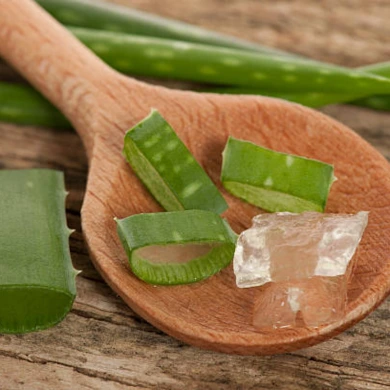
Aloe vera is an amazing hydrating ingredient for low porosity hair because of its lightweight, water-based composition and small molecular size, which allows it to easily penetrate the tightly sealed cuticles.
Unlike heavier oils or thick creams that usually sit on top of low porosity strands, aloe vera gel soaks in and provides deep moisture without buildup.
It also help to lower the hair’s pH, encouraging cuticles to gently open so nutrients can enter. Rich in enzymes and amino acids, it soothes the scalp, reduces itchiness, and leaves hair soft and manageable.
How to Use Aloe Vera Gel for Low Porosity Hair :
- Leave-in-spray : Mix 2 tbsp aloe vera juice + 1/2 cup distilled water + 2 drops lavender oil in a spray bottle. Use on damp hair.
- Apply fresh aloe gel directly to the scalp. Then wash your hair after 15 minutes.
2. Argan Oil :
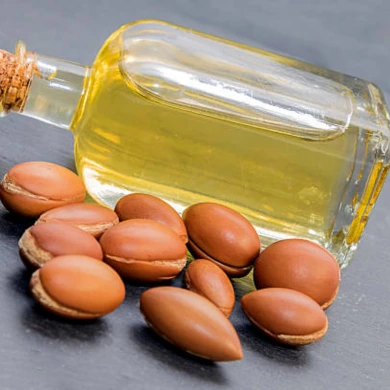
Argan oil is ideal for low porosity hair because it’s one of the lightest oils that still provides deep nourishment.
It is rich in vitamin E, antioxidants, and oleic acid, it helps to smooth the hair cuticle without weighing it down or causing buildup.
Unlike heavier oils like castor or olive oil, argan oil doesn’t just sit on the top of hair. Instead, it helps seal in moisture after water-based hydration has been applied.
This makes it great for finishing styles or taming frizz on dry strands. Since low porosity hair often struggles with product absorption, argan oil gives shine and softness without blocking moisture entry.
How to Use Argan oil for low porosity Hair :
- Finishing Oil: Rub 2–3 drops between palms and apply to ends after styling.
- Mix into a DIY cream: Add a few drops into your homemade whipped butter or hair milk.
3. Glycerin ( Vegetable Based ) :
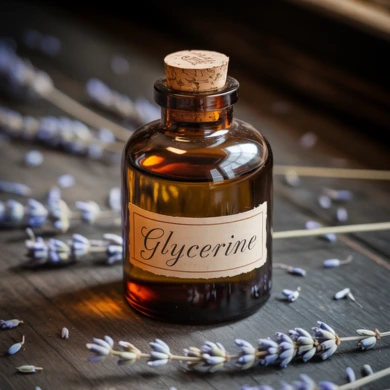
Glycerin is a natural humectant, meaning it draws moisture from the air and brings it into the hair shaft.
This is important for low porosity hair, which tends to resist water absorption due to tightly closed cuticles.
Glycerin helps keep the hair hydrated from the inside out when used in humid environments. It softens the hair, improves elasticity, and reduces dryness over time.
However, it must be diluted properly and avoided during dry seasons, or it can have the opposite effect by pulling moisture out of the hair.
How to Use Glycerin for Low Porosity Hair :
- Hydrating Spray: Mix 1 tbsp glycerin + 3 tbsp rose water + 1/2 cup distilled water, in a spray bottle. Use on damp hair. Follow with a light weight oil like argan or grapeseed to seal the moisture in.
4. Rose Water :
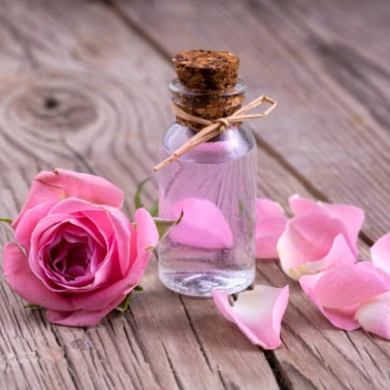
Rose water is incredibly lightweight and naturally hydrating, making it perfect for low porosity hair that gets overwhelmed by heavier products.
Its slightly acidic pH help to gently lift the hair cuticle, allowing moisture to enter more easily. It also soothes scalp irritation, reduces frizz, and adds a natural shine to strands.
As low porosity hair often looks dull when dehydrated, rose water can restore softness and bounce with regular use.
It pairs beautifully with aloe vera gel or glycerin for a daily hydration spray and it also can be used as a rinse to refresh the scalp and lightly condition the hair.
How to Use Rose Water for Low Porosity Hair :
- Hair Rinse: After washing, pour rose water over your strands as a final rinse
- Daily Mist: Use it as a refreshing spray between wash days. It will also make your hair smell amazing.
5. Grape seed Oil :
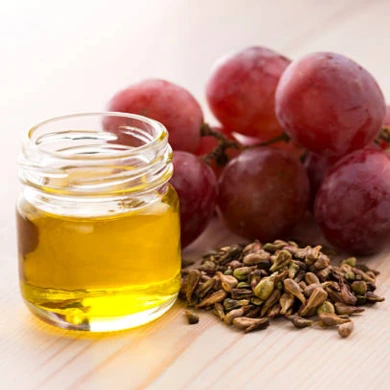
Grape seed oil is one of the few oils that are light enough for low porosity hair, yet still nourishing. It contains linoleic acid, which is wonderful for balancing natural scalp oils and strengthening the hair without coating it heavily.
As low porosity strands repel moisture, heavier oils can trap water out, but grape seed oil helps seal in hydration without clogging the cuticle.
This oil is also rich in antioxidants, which support healthy hair growth and protect against environmental stress.
It is perfect for pre-poo treatments, light oiling after washing, or mixing into water-based leave-in sprays for added slip and shine.
How to Use Grape seed Oil for Low Porosity Hair :
- Pre-Poo Oil Treatment: Apply a small amount of oil to hair and scalp before shampooing.
- Add to Spray: Add 1 tsp of grape seed oil into your aloe or rose water leave-in spray.
6. Honey :
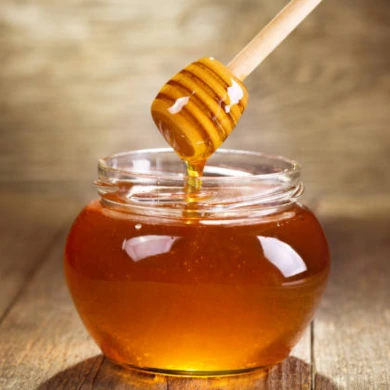
Honey is a powerful natural humectant that attracts and retains moisture, making it an amazing choice for low porosity hair that struggles to stay hydrated.
The enzymes and nutrients present in honey, nourishes the scalp and hair, and its small molecular structure allows it to bind moisture close to the strand.
However, it’s important to always dilute honey when applying to hair, since it’s sticky and can attract dirt or cause stiffness if used alone.
If you mix with aloe vera gel, light weight oils, or conditioners, honey enhances moisture retention, softens hair, and adds a glossy finish.
How to Use Honey for Low porosity Hair :
- Nourishing Hair Mask: Mix 1 tbsp honey + 2 tbsp aloe vera + 1 tsp grapeseed oil. Apply for 15–20 minutes before shampooing.
- Conditioner : Add 1 tbsp honey to your hair conditioner.
7. Flaxseed Gel:
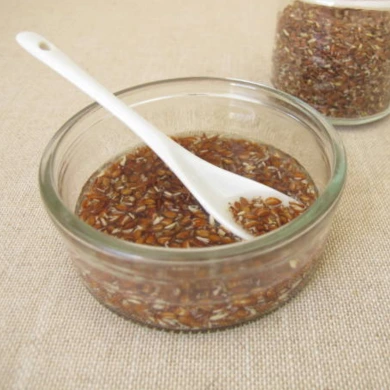
Flaxseed gel is a lightweight, plant-based gel packed with omega-3 fatty acids, proteins, and mucilage, perfect for softening and defining low porosity curls without stiffness or buildup.
Since this hair type can’t tolerate heavy styling products, flaxseed gel offers hold and hydration in one. It coats the hair lightly, locking in moisture and smoothing the cuticle while still letting strands breathe.
Flaxseed also helps with scalp health, reducing itchiness and inflammation. Whether used as a styler, leave-in conditioner, or curl refresher, it works beautifully for enhancing texture without disturbing the moisture balance of low porosity hair.
How to Use Flax Seed Gel for Low Porosity Hair :
- DIY Hair Gel: Boil 1/4 cup flaxseeds in 2 cups water. Strain and use as a natural curl gel or leave-in. You can store this gel in an air tight container in refrigerator for up to 1 week.
8. Marshmallow Root :
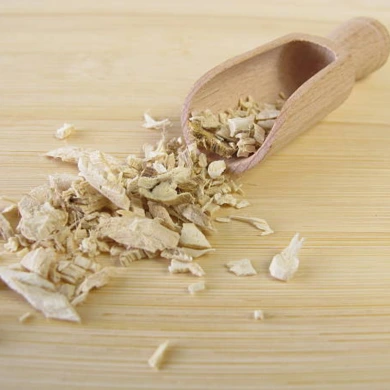
Marshmallow Root is rich in mucilage, a slippery, gel-like substance that provides incredible slip for detangling low porosity hair.
This herb soften hair, reduce breakage, and make wash days easier—especially for coils or kinks that are prone to knots.
What makes this perfect for this hair type is that it don’t weigh the hair down and offer gentle hydration without oils or heavy butters.
It works wonderful in DIY detangling sprays or as a rinse before shampooing. Plus, it has anti-inflammatory properties that soothes the scalp.
How to Use Marshmallow Root for Low Porosity Hair :
- DIY Detangling Rinse: Steep 1 tbsp of dried marshmallow root in 1 cup hot water. Strain and use as a detangling spray or rinse.
- Hair Gel : Simmer 1 tbsp marshmallow root powder in 1 cup water for 10–15 mins, then strain to get a slip-rich gel. You can also add a little aloe vera gel in it. Use it on damp hair.
- Apply a light weight oil to seal in moisture.
9. Jojoba Oil :
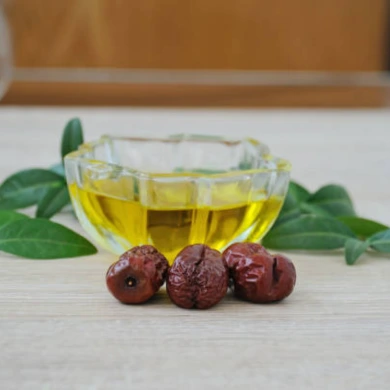
Jojoba oil is unique because it closely resembles our natural sebum, making it incredibly easy for the scalp and strands to absorb without clogging.
For low porosity hair, which usually suffers from dryness yet resists absorption, jojoba oil provides balanced moisture without buildup.
It’s wonderful for sealing in hydration after applying a water-based product and helps soothe dry, flaky scalps.
Jojoba oil also improves elasticity and reduces split ends when applied in small amounts to the ends.
Its lightweight nature means it won’t coat the hair heavily or interfere with other treatments, making it a must-have in low porosity care routines.
How to Use Jojoba Oil for Low Porosity Hair :
- Scalp Massage: Use a few drops of jojoba oil, for gentle circular massages 2–3 times a week
- Ends Sealer: Dab onto the ends to prevent split ends.
10. Rhassoul Clay :
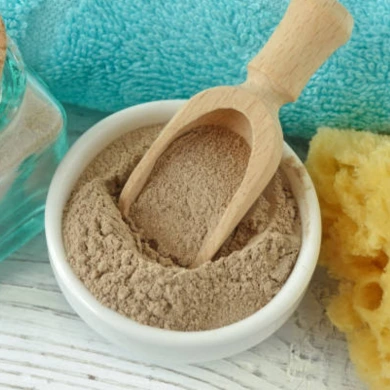
As Low porosity hair tends to accumulate product buildup easily due to closed cuticles. Rhassoul clay is the perfect way to cleanse without stripping.
It’s a mineral-rich, volcanic clay that gently removes impurities while also softening and conditioning the hair.
Rhassoul clay keeps the pH balanced and helps open the strand just enough to allow better moisture absorption.
It also adds volume and smoothness—great for hair that often looks flat or dull. Use it as a monthly detox mask to reset the hair and scalp, especially if buildup is an issue.
How to Use Rhassoul Clay for Low Porosity Hair :
- Detoxifying Hair Mask: Mix 2 tbsp rhassoul clay + 1 tbsp aloe juice + enough water to form a paste. Apply to scalp and hair. Leave for 10–15 mins, then rinse well.
11. Hibiscus (Tea or Powder) :
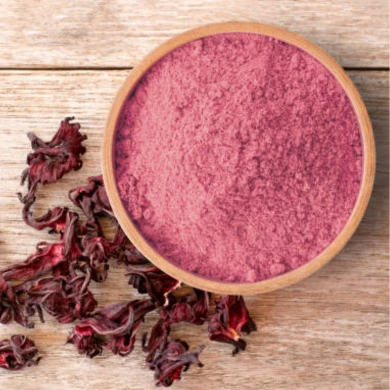
Hibiscus is rich in amino acids, vitamin C, and natural AHAs that helps to smooth the hair cuticle, making it ideal for low porosity strands.
It boosts shine, softens rough texture, and helps improve manageability over time. Hibiscus also strengthens roots, encourages growth, and gently exfoliates the scalp, which is important since buildup happens fast in low porosity hair.
Its acidic nature helps slightly open the cuticle, allowing moisture to be absorbed more effectively. Whether used as a tea rinse or its powder mixed into aloe vera hair masks, hibiscus adds bounce without suffocating the hair.
How to Use Hibiscus for Low Porosity Hair :
- Hair Rinse: Brew hibiscus tea and use as a final rinse after conditioner.
- Hair Mask: Mix 1.5 tbsp hibiscus powder with aloe gel and apply for 15 minutes, then wash your hair.
12. Avocado Oil :
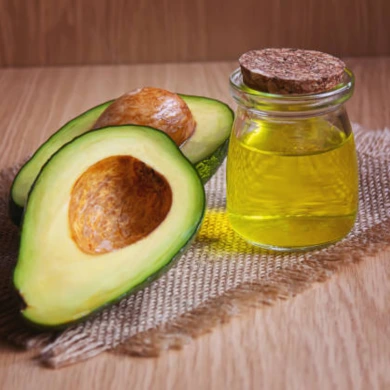
Avocado oil is slightly richer than argan or grapeseed oil, but it’s still one of the few heavier oils that penetrate the hair shaft due to its monounsaturated fats.
This makes avocado oil a rare exception—especially beneficial for low porosity hair that typically repels most oils.
It nourishes hair from within, softens coarse texture, and helps prevent moisture loss. Unlike coconut oil (which can harden or cause protein overload on low porosity strands), avocado oil improves flexibility and promotes elasticity without residue.
It works best when used in hot oil treatments, deep conditioning masks, or added in tiny amounts to DIY creams.
How to Use Avocado Oil for Low Porosity Hair :
- Hot Oil Treatment : Warm 1 tbsp and apply to damp hair. Cover with a warm towel for 20 minutes, then shampoo.
- Moisture Sealer : After applying a water-based leave-in or hydrating mist on damp hair, apply 3–4 drops of avocado oil over the lengths to lock in moisture and shine.
Final Thoughts :
Caring for low porosity hair doesn’t have to be complicated—it just needs the right ingredients and gentle techniques.
Whether you’re using marshmallow root for slip, avocado oil to seal, or aloe vera for a moisture boost, each of these natural remedies can truly make a difference when used consistently.
Love this Post ? Save on Pinterest

You might also want to see this :
Leave a Reply
You must be logged in to post a comment.